
AI Tools and Gadgets
Google Gemini AI Glasses Explained: Price, Features, India Launch Date and How to Get Started (2026 Guide)
By ProAccess Team, ProAccess.me · 17 November 2026 · 9 min read
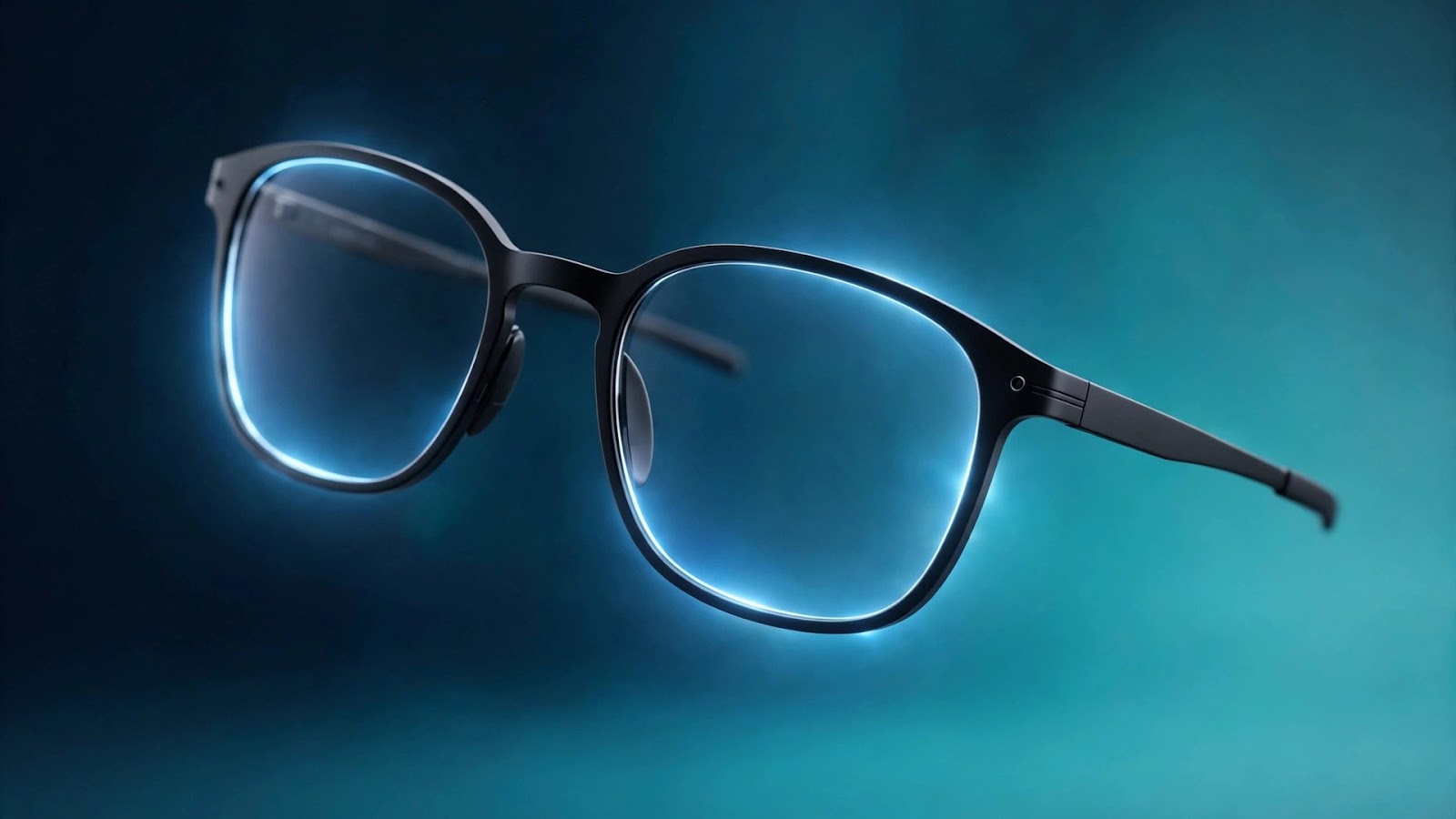
Artificial intelligence is stepping off your phone screen and onto your face. Google and Samsung have opened pre-orders for their first Gemini-powered smart glasses — a pair of screenless "Intelligent Eyewear" frames that let you talk to Google's Gemini AI about whatever you are looking at, get live translations, and find your way around without ever pulling out your phone. Pre-orders opened on 12–13 November 2026, and general sales begin on 10 December 2026. In this guide, we explain what Google Gemini AI glasses are, what they can actually do, how much they cost, how they compare with the rival Ray-Ban Meta glasses, and — the question most Indian readers are asking — when they might launch in India.
What Are Google Gemini AI Glasses?
Google Gemini AI glasses are smart glasses with Google's Gemini assistant built directly into the frame. They are the result of a partnership between Google and Samsung, with the frames themselves designed by eyewear brands Warby Parker and Gentle Monster. There are nine styles in total, and they look like ordinary glasses — there is no display floating in front of your eyes. Instead, a small camera, open-ear speakers, and a microphone connect you to Gemini, which answers questions, identifies objects, translates speech, and handles everyday tasks through voice.
The idea is simple: instead of unlocking your phone a hundred times a day to ask your AI assistant something, you just ask out loud while wearing your glasses. Gemini sees what you see through the camera, hears what you hear, and responds through the speakers. It is the same assistant many people already use on their phones, moved into a hands-free, always-available form factor.
Key Features — What Gemini Can Do on the Glasses
Ask About What You See
The standout feature is visual understanding. Point your gaze at a restaurant menu, a street sign, a product on a shelf, or a landmark, and ask Gemini about it. The glasses' 12MP HDR camera captures the scene, and Gemini explains what it is seeing — translating the menu, identifying the building, or telling you whether a product is worth buying. For travellers, students, and curious minds, this turns every walk into a guided tour.
Live Translation and Directions, Hands-Free
Gemini on the glasses offers live translation, so a conversation in a language you do not speak can be translated into your ear in near real time. Directions work the same way: ask where to go, and Gemini guides you step by step without you having to stare at a map on your phone. Because the speakers sit just above your ears and leave them open, you stay aware of traffic, conversations, and the world around you while you listen.
Camera, Audio and Storage Specs
Under the hood, the glasses run on Qualcomm's Snapdragon AR1 Gen 1 chip, purpose-built for AI wearables. Key specifications include:
- Camera: 12MP HDR camera for photos and video capture
- Audio: Open-ear speakers and microphones for calls, music, and voice interaction
- Storage: 64GB of onboard storage
- Battery: Up to around 9 hours of use, with a charging case extending total use to roughly 72 hours
- Frames: Nine styles across the Warby Parker and Gentle Monster collections
There is no screen, which keeps the glasses light and the battery lasting, but also means answers come as spoken audio rather than on-screen text.
Privacy Controls
A camera on your face naturally raises privacy questions. According to statements from Samsung and Google, visuals captured by the glasses are not used for AI training or for advertising targeting. The glasses also include visible indicators when the camera is recording, so people around you know when you are capturing something. As with any wearable camera, the real test will be how these promises hold up in everyday use, and users should stay mindful of local rules about recording in private spaces.
Price and Models
Pricing depends on which frame collection you choose. Both collections offer the same Gemini-powered hardware; the difference is the frame design and the brand behind it.
| Collection | Frames | Price |
|---|---|---|
| Warby Parker | 3 frames: Alden, Reid, Wren | From $395 |
| Gentle Monster | 6 frames | $449–$489 |
Pre-orders opened on 12–13 November 2026, and general sales begin on 10 December 2026. At launch, the glasses are available only in the United States and South Korea, and they work only with Google accounts from those two countries. International pricing — including any future India price — has not been announced.
Gemini Glasses vs Ray-Ban Meta Glasses
Google's glasses are not the first screenless AI glasses. Meta's Ray-Ban smart glasses have been on the market for a while, and the comparison is the one every buyer will make. Both pairs look like normal glasses, both have a camera and open-ear speakers, and both centre on a voice assistant.
The real difference is the ecosystem. Gemini glasses plug into Google's world: Google Search, Maps, Translate, and the Gemini assistant itself. Ray-Ban Meta glasses plug into Meta's world, with Meta AI at the centre and deep ties to Instagram and WhatsApp. If you already live in Google's apps, Gemini glasses will feel familiar from day one; if your daily life runs through Meta's apps, the Ray-Ban pair may fit better. Hardware choices also differ — for example, Meta's newer glasses include a small display, while Google's launch pair is screenless — but the deciding factor for most buyers will be which AI assistant and app ecosystem they already trust and use.
India Launch — When Can You Buy Them in India?
Here is the honest answer: there is no India launch date yet. Google and Samsung have announced availability only for the United States and South Korea at launch, and the glasses work only with Google accounts from those two countries. No India pricing has been announced either, so any price in rupees you see online right now is speculation, not an official figure.
That does not mean India is off the map. Google has a large user base in India, and Gemini itself is widely used here, so an India launch is a reasonable expectation over time — but it has not been confirmed, and no timeline has been shared. Indian readers who are keen should follow official announcements from Google and Samsung rather than trusting unofficial sellers or import listings, which would arrive without local warranty or support.
The good news is that you do not need the glasses to start using Gemini. The assistant that powers them is the same Gemini available on phones and on the web today, and getting comfortable with it now means you will already know what the glasses can do the day they arrive in India.
Who Should Care (and Who Should Wait)
Consider them if you:
- Live in the US or South Korea and want hands-free AI in your daily routine
- Travel often and would use live translation and visual search regularly
- Create content and want quick, hands-free photo and video capture
- Already rely on Google apps and Gemini every day
Wait if you:
- Are based in India — there is no launch date, no local pricing, and no India support yet
- Need prescription lenses or India-based warranty and service
- Want a screen in your glasses — this launch pair is screenless by design
- Prefer to see how real-world battery life and privacy hold up before buying first-generation hardware
How to Start Using Gemini Today
While the glasses themselves are still out of reach for Indian buyers, the AI inside them is not. If the launch has made you curious what an AI assistant can do for real work, the practical first step is to start using one properly and build the habit of asking it to help with research, writing, and analysis. Manus AI is a good place to start: it is a general-purpose AI agent that handles research, content, and analysis through conversation — the same kind of everyday help the glasses promise to put on your face. And if the launch has sparked a broader interest in AI tools, Apify is an AI automation and web-data platform for going hands-on with AI beyond a chatbot. Building the habit now means you will already know what the glasses can do the day they arrive in India.
Frequently Asked Questions
How much do Google Gemini AI glasses cost?
The Warby Parker collection starts at $395, while the Gentle Monster collection is priced at $449–$489. Both collections use the same Gemini-powered hardware; the price difference comes from the frame designs.
When do Gemini glasses go on sale?
Pre-orders opened on 12–13 November 2026, and general sales begin on 10 December 2026 in the United States and South Korea.
Will Gemini glasses launch in India?
No India launch date or India pricing has been announced. At launch, the glasses are sold only in the US and South Korea and work only with Google accounts from those two countries.
Do the glasses need a phone?
Yes. Like other screenless AI glasses, they pair with your phone, which handles connectivity and the heavier processing, while the glasses handle the camera, microphones, and speakers.
Do they work with iPhone?
Some early reports indicate that iPhone users may miss out on certain features at launch, with the full experience designed around Android and Google accounts. If you use an iPhone, it is worth checking the official compatibility details before buying.
What can Gemini actually do on the glasses?
Gemini can answer questions about what you see through the camera, translate conversations live, give hands-free directions, take photos and videos, play music, make calls, and handle everyday tasks by voice — all without you taking out your phone.
Conclusion
Google Gemini AI glasses are real hardware with a real launch date: pre-orders are open, sales begin on 10 December 2026, and the price starts at $395. They put a genuinely useful assistant — visual understanding, live translation, hands-free directions — into a pair of glasses that looks like any other. For buyers in the US and South Korea, they are worth a serious look. For readers in India, the honest position is to wait for an official launch while enjoying the same Gemini assistant on the devices you already own. Try Gemini today, learn what it can do for you, and when the glasses do arrive in India, you will know on day one whether they are worth wearing.
FAQ
How much do Google Gemini AI glasses cost?
The Warby Parker collection starts at $395, while the Gentle Monster collection is priced at $449–$489. Both collections use the same Gemini-powered hardware; the price difference comes from the frame designs.
When do Gemini glasses go on sale?
Pre-orders opened on 12–13 November 2026, and general sales begin on 10 December 2026 in the United States and South Korea.
Will Gemini glasses launch in India?
No India launch date or India pricing has been announced. At launch, the glasses are sold only in the US and South Korea and work only with Google accounts from those two countries.
Do the glasses need a phone?
Yes. Like other screenless AI glasses, they pair with your phone, which handles connectivity and the heavier processing, while the glasses handle the camera, microphones, and speakers.
Do they work with iPhone?
Some early reports indicate that iPhone users may miss out on certain features at launch, with the full experience designed around Android and Google accounts. If you use an iPhone, it is worth checking the official compatibility details before buying.
What can Gemini actually do on the glasses?
Gemini can answer questions about what you see through the camera, translate conversations live, give hands-free directions, take photos and videos, play music, make calls, and handle everyday tasks by voice — all without you taking out your phone.
Looking for premium tools?
Browse ProAccess store